Table of Contents:
Anthropic-KI-Deal führt über den Bitcoin-Mining-Campus von Hut 8 in Texas
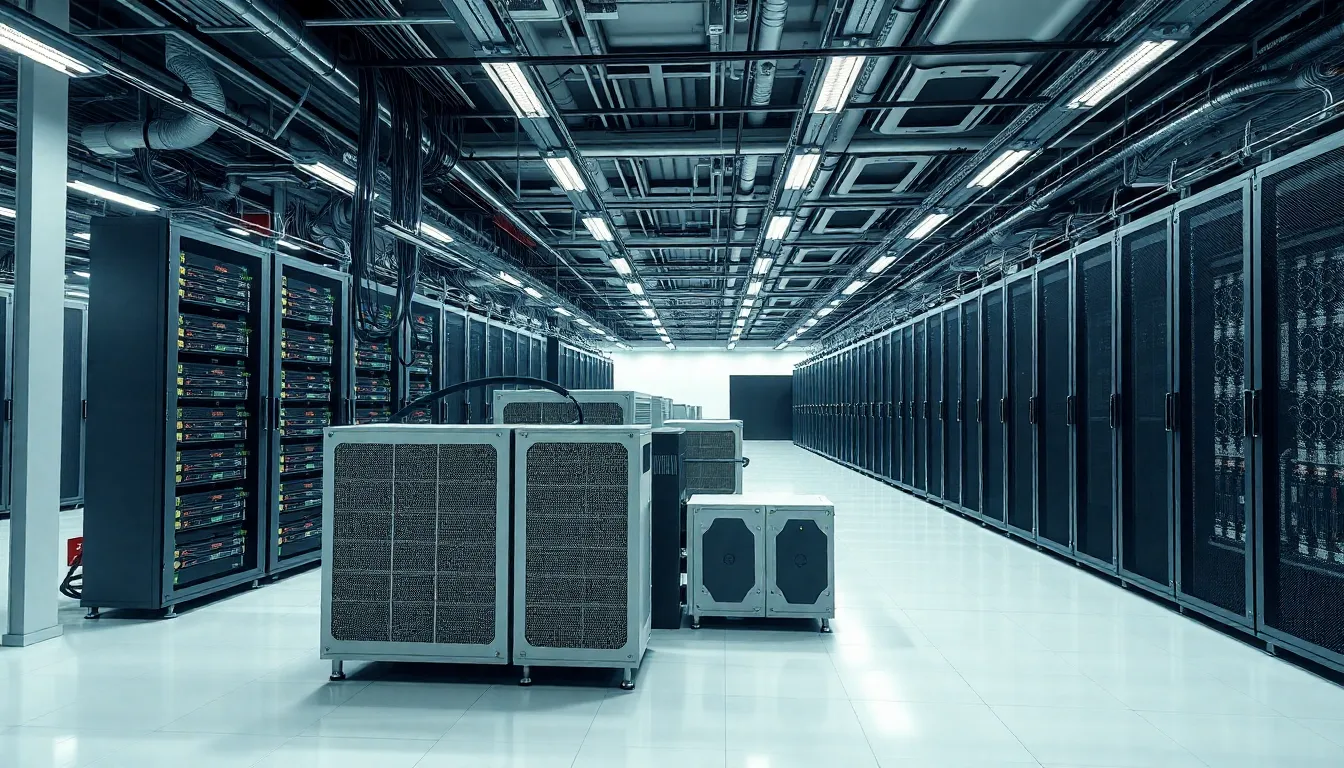
Anthropic hat sich verpflichtet, 35 Milliarden US-Dollar für Rechenkapazitäten bei Lambda auszugeben. Das von Nvidia unterstützte KI-Cloud-Unternehmen wird einen Teil dieser Kapazitäten über den Beacon-Point-Campus von Hut 8 im Nueces County, Texas, abwickeln.
Nach Angaben von CoinDesk hält Nvidia den Mietvertrag für die Einrichtung, während Lambda dort Nvidia-Chips einsetzen soll. Anthropic wird anschließend die daraus entstehende Rechenleistung erwerben. Hut 8 hat bislang nicht bestätigt, welcher Anteil der am Standort vermieteten Kapazität mit Lambda und Anthropic verbunden ist.
Get $500 free Bitcoin mining for a free testing phase:
- Real daily rewards
- 1 full month of testing
- No strings attached
If you choose to buy after testing, you can keep your mining rewards and receive up to 20% bonus on top.
Hut 8 hatte zuvor zwei langfristige Mietverträge mit einer Laufzeit von jeweils 15 Jahren für insgesamt 704 Megawatt IT-Kapazität offengelegt. Der vertraglich vereinbarte Wert dieser Verträge beträgt über die anfängliche Laufzeit 19,6 Milliarden US-Dollar.
Der Beacon-Point-Standort umfasst 525 Acres und verfügt über Zugang zu bis zu 1 Gigawatt Leistung sowie über eine bestehende Netzanschlussmöglichkeit. Der Wert der beiden Mietverträge übersteigt damit laut CoinDesk das 260-Fache des jüngsten Quartalsumsatzes von Hut 8.
| Kennzahl | Angabe |
|---|---|
| Anthropic-Rechenkapazitäten bei Lambda | 35 Milliarden US-Dollar |
| Beacon-Point-Leasingverträge | 2 |
| Laufzeit je Vertrag | 15 Jahre |
| Vermietete IT-Kapazität | 704 Megawatt |
| Vertraglicher Wert | 19,6 Milliarden US-Dollar |
| Fläche des Standorts | 525 Acres |
| Zugang zu Leistung | bis zu 1 Gigawatt |
CoinDesk beschreibt die Entwicklung als Teil einer breiteren Verlagerung von Bitcoin-Minern hin zu Infrastruktur für künstliche Intelligenz. Große Mining-Standorte, umfangreiche Energieversorgung und bereits vorhandene Netzanschlüsse können von KI-Unternehmen genutzt werden, weil der Aufbau von Hunderten Megawatt neuer Netzkapazität Jahre dauern kann.
Zu den Unternehmen, die laut CoinDesk in diesem Bereich aktiv sind, zählen Hut 8, TeraWulf, IREN und Bitdeer. Öffentliche Miner hatten demnach bereits mehr als 70 Milliarden US-Dollar an Verträgen für KI und Hochleistungsrechnen unterzeichnet.
TeraWulf schloss im Juli eine langfristige Vereinbarung, um Anthropic mit etwa 401 Megawatt an einem ehemaligen Industriegebiet in Kentucky zu versorgen. Bitdeer unterzeichnete im August einen 16-jährigen Vertrag im Wert von etwa 4,7 Milliarden US-Dollar über die Vermietung von 121 Megawatt seines Tydal-Campus in Norwegen für Nvidia-basierte Rechenleistungen.
Microsoft vereinbarte im vergangenen Jahr einen Fünfjahresvertrag im Wert von etwa 9,7 Milliarden US-Dollar für KI-Kapazitäten aus den Rechenzentren von IREN in Texas. Diese Kapazitäten nutzen rund 200 Megawatt. IREN erzielte im letzten Quartal 70,5 Millionen US-Dollar an AI-Cloud-Einnahmen, während die Mining-Einnahmen zurückgingen.
Hut 8 meldete im Juni einen Quartalsumsatz von 74,93 Millionen US-Dollar, was einem Anstieg von 81 % im Jahresvergleich entspricht. Für den Beacon-Point-Campus wird nach vollständiger Inbetriebnahme ein durchschnittliches jährliches Betriebseinkommen von 1,31 Milliarden US-Dollar erwartet.
Bitcoin-Miner betreiben bereits große Standorte, die auf günstige Energie und bestehende Netzanschlüsse ausgelegt sind – genau die Art von Infrastruktur, die KI-Entwickler dringend zu sichern versuchen. – CoinDesk
Zusammenfassung: Der 35-Milliarden-Dollar-Vertrag von Anthropic mit Lambda nutzt teilweise Infrastruktur am Beacon-Point-Campus von Hut 8. Im Mittelpunkt stehen zwei 15-jährige Verträge über 704 Megawatt mit einem Wert von 19,6 Milliarden US-Dollar.
MARA zeigt laut Phemex nicht die Eigenschaften eines gehebelten Bitcoin-Instruments
Vom 9. November 2021 bis zum Schlusskurs am Freitag, dem 28. August 2026, stieg die Hashrate des Bitcoin-Netzwerks von rund 162 EH/s auf 914 EH/s. Das entspricht laut Phemex einem Anstieg um das 5,6-Fache innerhalb von vier Jahren und sechs Monaten.
Bitcoin legte im selben Zeitraum um 16,2 % zu, während die Hashprice um 88,6 % und MARA Holdings um 86,0 % fielen. Phemex kommt deshalb zu dem Schluss, dass MARA nicht einfach als gehebelte Version von Bitcoin betrachtet werden kann.
| Kennzahl | Entwicklung |
|---|---|
| Bitcoin-Netzwerk-Hashrate | 162 EH/s auf 914 EH/s |
| Veränderung der Hashrate | 5,6-Faches |
| Bitcoin | +16,2 % |
| Hashprice | -88,6 % |
| MARA Holdings | -86,0 % |
Die These vom „gehebelten Bitcoin“ habe laut Phemex insbesondere im Kalenderjahr 2023 funktioniert. MARA erzielte in diesem Jahr eine Rendite von 591 %, während Bitcoin um 156 % zulegte. Das entsprach ungefähr dem 3,8-Fachen der Rendite des Coins.
Danach habe sich die Beziehung jedoch verändert. MARA verlor 28,61 % in dem Jahr, das für Bitcoin als bestes Jahr des Zyklus bezeichnet wird. 2026 stieg der Miner laut Phemex, während Bitcoin fiel. Für Phemex ist dies ein Hinweis darauf, dass MARA ein eigenständiges Geschäft mit einer nur gelegentlichen Ähnlichkeit zu Bitcoin darstellt.
Hashprice, Netzwerk-Schwierigkeit und Betriebskosten bestimmen die Entwicklung
Phemex beschreibt die Hashprice als den Umsatz, den ein Miner pro eingesetzter Recheneinheit erzielt. Der Bitcoin-Preis ist dabei ein Faktor; die Netzwerk-Schwierigkeit wirkt hingegen gegen den Miner, sobald Wettbewerber neue Maschinen in Betrieb nehmen.
Die installierte Kapazität erreichte auf der Blockchain.com-Netzwerk-Hashrate-Chart 914 EH/s. Jeder dieser Exahashes konkurriert um dieselbe Block-Belohnung. Zusätzlich reduziert die Vier-Jahres-Halbierung die Block-Subvention nach einem vom Bitcoin-Preis unabhängigen Zeitplan.
Im zweiten Quartal 2026, das am 30. Juni endete, erhöhte MARA seine aktivierte Hashrate um 22 % auf 70,3 EH/s. Die Flotte umfasste rund 440.000 Rigs, während der Umsatz im Jahresvergleich um 27 % auf 174,9 Millionen US-Dollar sank.
Der Anteil der Energie an den Einnahmen aus der eigenen Mining-Produktion stieg innerhalb von zwölf Monaten von 34,1 % auf 54,9 %. Die Kosten pro Petahash und Tag lagen bei 27,7 US-Dollar, verglichen mit einer Hashprice von rund 35,66 US-Dollar im zweiten Quartal.
Der jüngste von Phemex genannte Wert des Hashprice-Index von Luxor betrug am 22. August 2026 38,29 US-Dollar. Phemex bezeichnet die daraus entstehende Marge als so dünn, dass eine einzelne Anpassung der Schwierigkeit einen großen Teil davon aufzehren könne.
| MARA-Kennzahl im Q2 2026 | Wert |
|---|---|
| Aktivierte Hashrate | 70,3 EH/s |
| Veränderung der Hashrate | +22 % |
| Flotte | rund 440.000 Rigs |
| Umsatz | 174,9 Mio. US-Dollar |
| Energieanteil am Umsatz | 54,9 % |
| Kosten pro Petahash und Tag | 27,7 US-Dollar |
| Q2-Hashprice | rund 35,66 US-Dollar |
| Luxor-Hashprice am 22. August 2026 | 38,29 US-Dollar |
MARA produzierte im zweiten Quartal 2026 insgesamt 2.422 BTC, 3 % mehr als im Vorjahr. Davon stammten 1.260 BTC aus Anlagen, die dem Unternehmen gehören; der übrige Anteil kam aus Joint Ventures und Hosting-Vereinbarungen, bei denen MARA nicht die vollständige wirtschaftliche Beteiligung behält.
Zusammenfassung: Trotz einer höheren Hashrate sanken Umsatz und operative Spielräume. Phemex stellt die Entwicklung als Ergebnis einer steigenden Netzwerk-Konkurrenz, höherer Energiekosten und einer rückläufigen Hashprice dar.
MARA verkaufte in der ersten Jahreshälfte 2026 Bitcoin-Bestände
Laut den von Phemex ausgewerteten 10-Q-Einreichungen im EDGAR-System der SEC verkaufte MARA in der ersten Hälfte des Jahres 2026 insgesamt 23.093 BTC für 1,6 Mrd. US-Dollar. Der durchschnittliche Verkaufspreis betrug 70.631 US-Dollar.
Allein im März veräußerte das Unternehmen 15.133 BTC für rund 1,1 Mrd. US-Dollar. Der Verkauf diente der Finanzierung eines Rückkaufs von Wandelanleihen. Die am 25. Juli 2024 eingeführte HODL-Politik wurde 2025 gelockert und 2026 aufgegeben.
Zum Ende des Juni-Quartals hielt MARA 35.577 BTC. Das waren 34 % weniger als der Höchststand vom 31. Dezember 2025 mit 53.822 BTC. Weitere 9.270 Coins waren verliehen oder als Sicherheiten verpfändet.
Auf Grundlage der Aktienzahl vom 28. August sank Bitcoin je Aktie von 0,0001418 auf 0,0000921. Phemex führt diese Entwicklung als wesentlichen Unterschied zwischen dem direkten Halten von Bitcoin und dem Besitz der MARA-Aktie an.
| Position | Wert |
|---|---|
| Verkaufte BTC in der ersten Jahreshälfte 2026 | 23.093 BTC |
| Erlös aus den Verkäufen | 1,6 Mrd. US-Dollar |
| Durchschnittlicher Verkaufspreis | 70.631 US-Dollar |
| Verkauf im März | 15.133 BTC |
| Bitcoin-Bestand zum Ende des Juni-Quartals | 35.577 BTC |
| Höchststand am 31. Dezember 2025 | 53.822 BTC |
| Verliehene oder verpfändete Coins | 9.270 BTC |
| Bitcoin je Aktie | 0,0001418 auf 0,0000921 |
Auch die Aktienzahl veränderte sich deutlich. Sie stieg von 174.266.313 Aktien am 4. August 2023 auf 386.299.297 am 30. Juli 2026, was einem Zuwachs von 121,7 % in drei Jahren entspricht.
Seit Oktober 2025 betrug der Anstieg jedoch nur 2,1 %. In der ersten Jahreshälfte 2026 verkaufte MARA laut Phemex keine Aktien im At-the-Market-Programm.
Im zweiten Quartal 2026 meldete MARA einen Nettoverlust von 611,3 Mio. US-Dollar und ein EPS von -1,60 US-Dollar. Phemex weist darauf hin, dass der größte Teil des Verlustes auf eine Neubewertung zum Marktwert zurückzuführen sei: Der Fair Value der Bitcoin-Bestände sank im Quartal um 343,0 Mio. US-Dollar und in der ersten Jahreshälfte um 1,4 Mrd. US-Dollar.
Zusammenfassung: MARA reduzierte seine Bitcoin-Bestände durch Verkäufe und gab die frühere HODL-Politik 2026 auf. Gleichzeitig sank der Bitcoin-Anteil je Aktie, während die historische Aktienverwässerung den Anspruch pro Aktie zusätzlich belastete.
MARA erweitert das Geschäftsmodell um KI und Hochleistungsrechnen
Phemex beschreibt MARA im Jahr 2026 nicht mehr als reinen Bitcoin-Miner. Drei datierte Transaktionen verschoben das Unternehmen demnach in Richtung künstliche Intelligenz und High-Performance-Computing.
- Am 20. Februar 2026 erwarb MARA eine kontrollierende Beteiligung an Exaion für 174,5 Mio. US-Dollar in bar.
- Am 26. Februar bildete MARA ein Joint Venture mit Starwood Digital Ventures mit dem Ziel von mehr als einem Gigawatt kurzfristig.
- Am 29. April vereinbarte MARA den Erwerb von Long Ridge Energy für rund 1,5 Mrd. US-Dollar.
Long Ridge Energy verfügt über ein 485-MW-Gaskraftwerk in Ohio. Zum 30. Juni 2026 war der Erwerb noch nicht abgeschlossen und wartete auf die Genehmigung der FERC.
Nach dem Quartalsende kam ein 2-GW-Standort im Matagorda County, Texas, hinzu. Als Ziel werden rund 4,8 GW genannt.
Für 2026 weist der 10-Q-Bericht einen Restrukturierungsplan mit Kosten von 47,6 Mio. US-Dollar in der ersten Jahreshälfte aus. Der Plan diente ausdrücklich der „Umverteilung von Ressourcen auf KI-Initiativen“.
Bitcoin-Mining und KI-Infrastruktur seien keine konkurrierenden Geschäfte, sondern „verschiedene Anwendungen desselben zugrunde liegenden Vermögenswerts“ – und dieser Vermögenswert sei Strom. – Fred Thiel, laut Phemex
Phemex sieht den strategischen Wechsel nicht grundsätzlich als Problem. Kritisch sei vielmehr, dass MARA später und ohne einen verankerten Großkunden umschwenke, während Wettbewerber bereits namentlich genannte, umsatzbringende Verträge abgeschlossen hätten.
Die KI-Kapazität von MARA soll laut Phemex erst Mitte 2028 liefern. Ein Käufer im Jahr 2026 bezahle damit für Gigawatt, die etwa zwei Jahre lang nichts erzeugten und keinem unterzeichneten Kunden zugeordnet seien.
Zusammenfassung: MARA baut sein Energie- und Infrastrukturgeschäft für KI und Hochleistungsrechnen aus. Die genannten Projekte umfassen Beteiligungen, ein Joint Venture, ein 485-MW-Kraftwerk, einen 2-GW-Standort und ein Ziel von rund 4,8 GW.
Volatilität und Korrelation unterscheiden MARA von Bitcoin
Phemex wertete 667 gepaarte Handelstage auf Basis von Roh-Schlusskursen aus. Die Analyse soll zeigen, dass ein erheblicher Teil der Kursbewegungen von MARA durch Faktoren außerhalb von Bitcoin bestimmt wird.
Eine am 29. August 2026 veröffentlichte unabhängige Studie mit rollierenden 90-Tage-Betas über sieben börsennotierte Miner kam laut Phemex zu einem vergleichbaren Ergebnis. Bei allen sieben Minern übertraf die Korrelation zum Nasdaq-100 die Korrelation zu Bitcoin.
Für MARA wird in der Studie ein Beta von 1,10 und eine Bitcoin-Korrelation von 0,48 genannt. Damit sei MARA innerhalb der sieben untersuchten Miner der Titel mit dem höchsten Beta gewesen.
Phemex warnt außerdem vor der Zahl „Beta 5.36“, die auf MARA-Kursseiten verbreitet werde. Dabei handle es sich um ein fünfjähriges monatliches Beta gegenüber dem S&P 500 und nicht um ein Bitcoin-Beta.
Am Freitag schloss MARA bei 10,67 US-Dollar. Am Donnerstag, dem 27. August, hatte der Schlusskurs 11,87 US-Dollar betragen. An diesem Tag wurden 41,8 Mio. Aktien gehandelt; die 52-Wochen-Spanne lag zwischen 6,66 und 23,45 US-Dollar.
| Marktdaten | Wert |
|---|---|
| MARA-Schlusskurs am 28. August 2026 | 10,67 US-Dollar |
| MARA-Schlusskurs am 27. August 2026 | 11,87 US-Dollar |
| Gehandeltes Aktienvolumen | 41,8 Mio. Aktien |
| 52-Wochen-Spanne | 6,66 bis 23,45 US-Dollar |
| Bitcoin-Beta in der Studie | 1,10 |
| Bitcoin-Korrelation | 0,48 |
Bei Bitcoin schloss der Kurs am Sonntag, dem 30. August, bei 77.697 US-Dollar. Phemex stellt diesen direkten Bitcoin-Besitz dem Erwerb von MARA gegenüber, deren Kurs zusätzlich von Hashprice, Produktionskosten, Stromportfolio, Aktienzahl, Finanzierung und den geplanten KI-Projekten beeinflusst werde.
Zusammenfassung: Laut Phemex ist MARA volatiler und von mehr Faktoren abhängig als Bitcoin. Die Aktie wird als Strom- und Rechenzentrumsunternehmen mit angeschlossener Mining-Sparte eingeordnet, nicht als reines Bitcoin-Proxy.
Sources: