Table of Contents:
Bitcoin Mining: A Shift Towards Energy and Infrastructure Business
Bitcoin miners are currently facing one of the toughest cycles in the history of cryptocurrency, driven by lower block subsidies, reduced margins, and volatile hash prices. A recent analysis by BeInCrypto indicates that the "Electrical Cost" floor for Bitcoin is approximately $48,694, while the realized price hovers around $54,000. This shrinking profit margin is compounded by intense competition and the impending Bitcoin halving cycle expected in less than two years, which will reduce the block subsidy from 6.25 BTC to 3.125 BTC in 2024, and further to 1.5625 BTC by 2028.
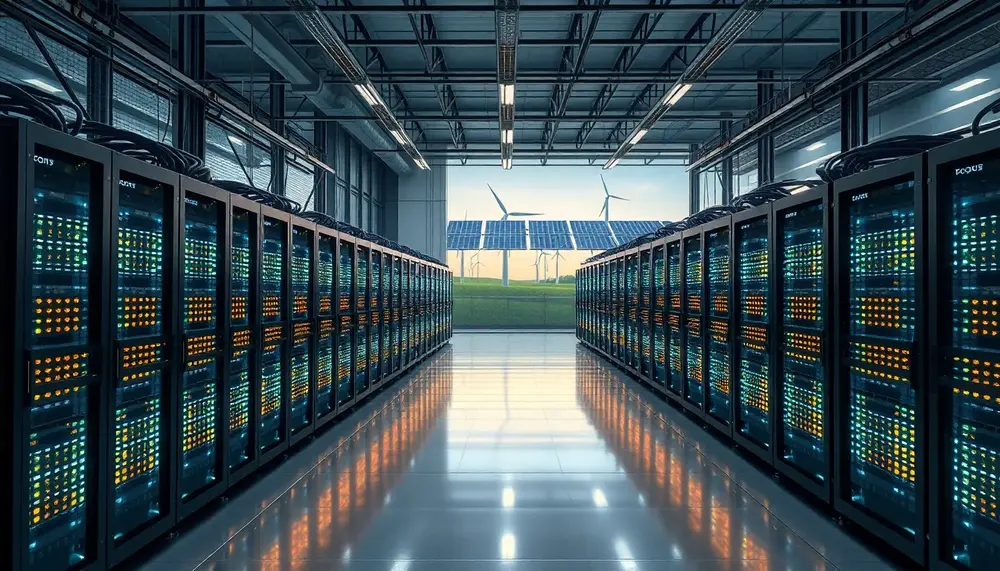
"Mining is increasingly becoming an energy and infrastructure business, with Bitcoin being just one revenue source," said Bradley Peak, Global Head of Sales at VNISH.
As miners transition from a focus on pure hashrate growth to profitable hashrate, strategies are evolving. This includes firmware optimization, fleet segmentation, and flexible power contracts. The emphasis is now on operational efficiency, where every watt and chip counts towards profitability.
Get $500 free Bitcoin mining for a free testing phase:
- Real daily rewards
- 1 full month of testing
- No strings attached
If you choose to buy after testing, you can keep your mining rewards and receive up to 20% bonus on top.
Key Insights: The Bitcoin mining landscape is shifting towards energy management and operational control, with profitability increasingly tied to energy costs and efficiency.
Bitcoin Miners Under Financial Pressure
The cryptocurrency market remains under strain, with Bitcoin trading approximately 50% below its all-time high. Recent data from JPMorgan reveals that Bitcoin has been trading below its estimated production cost of around $78,000 for five consecutive months, with the market price currently at about $66,000. This situation has rendered approximately 20% of Bitcoin miners unprofitable, forcing them to either liquidate Bitcoin holdings or seek additional capital to cover operational costs.
Publicly listed mining companies have sold over 32,000 BTC in the first quarter of 2026 alone, surpassing the total sales for the entire year of 2025. This selling pressure is likely to impact market prices negatively.
Key Insights: The financial viability of Bitcoin mining is under significant threat, with many miners operating at a loss and forced to sell assets to remain solvent.
Oman's Strategic Move in Bitcoin Mining
While many Bitcoin miners globally are struggling, Oman is taking a different approach by establishing a state-supported mining pool, Omanhash.om. This initiative, backed by the Ministry of Transport, Communications, and Information Technology, aims to create a regulated mining environment. Oman is leveraging its energy resources and infrastructure to position itself as a key player in the Bitcoin mining sector, particularly in Salalah, which is known for its cooler climate suitable for data centers.
This strategic move reflects Oman's intent to diversify its economy away from oil dependency, using Bitcoin mining as a bridge between energy policy and digital infrastructure development.
Key Insights: Oman is capitalizing on the current market downturn to build a regulated and sustainable Bitcoin mining industry, contrasting with the struggles faced by miners in other regions.
Market Dynamics and Future Trends in Bitcoin Mining
Experts predict that Bitcoin mining will remain profitable for strong operators over the next decade, while inefficient miners will face increasing challenges. The mining sector is expected to become more energy-efficient and closely linked to power markets, with a focus on flexible load programs and renewable energy sources. Fernando Lillo Aranda, CMO of Zoomex, anticipates that miners will increasingly compete for access to excess renewable energy rather than merely purchasing electricity.
As the market evolves, mining operations may integrate more closely with AI and high-performance computing, transforming the landscape of Bitcoin mining into a multifaceted energy and computing business.
Key Insights: The future of Bitcoin mining will likely involve a greater emphasis on energy efficiency and integration with broader technological advancements, reshaping the industry's operational framework.
Sources:
- Wird Bitcoin-Mining zu einem Energie- und Infrastrukturgeschäft?
- Bitcoin Prognose: Vorsicht! Miner verlieren immer mehr Geld
- Bitcoin: Miners unter Kostendruck
- Einblicke in das Bitcoin-Mining – TheFlowHorse hebt Marktdynamiken hervor
- Hive gewinnt 10 % nach Sicherung des staatlichen KI-Vertrags in Kanada mit Bell Canada