Bitcoin-Mining-Energie für KI, Inflation bleibt Bitcoin-Preistreiber

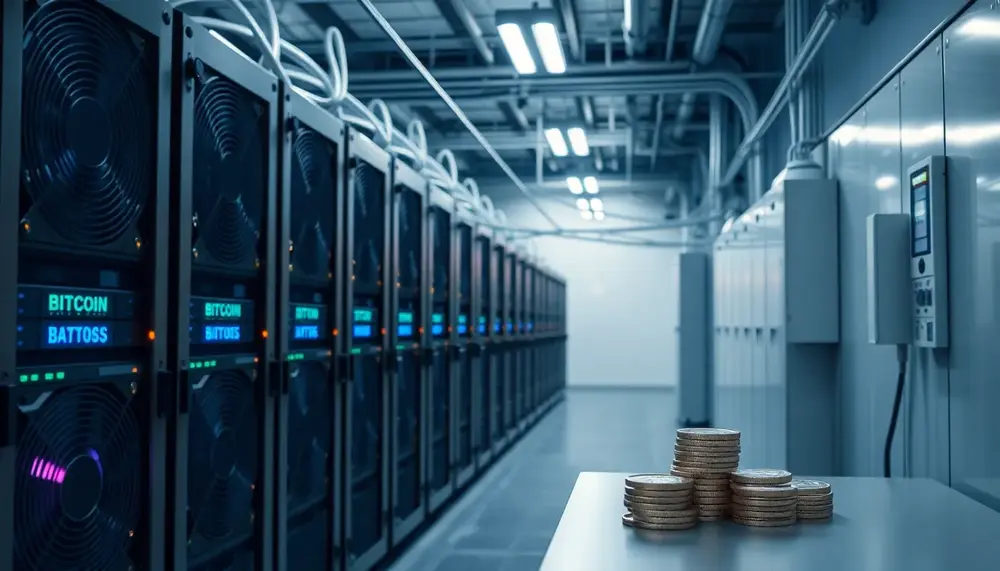
Illustrative image – fully or partially AI-generated
20.07.2026 31 times read 1 Comments

Bitcoin-Mining zwischen KI-Energiebedarf und Inflationserwartungen

Quelle: Bitget

Brian Armstrong, CEO einer Börse, reagierte laut Bitget auf der Plattform X auf die Einschätzungen von Chamath Palihapitiya zu Veränderungen im Bitcoin-Markt. Dabei erklärte Armstrong, dass die möglicherweise nur vorübergehende Verlagerung marginaler Liquidität in spekulative Prognose- und Aktienmärkte langfristig weniger bedeutend sein könnte als die mögliche Nutzung von Bitcoin-Mining-Energie für KI-Rechenleistung.

Get $500 free Bitcoin mining for a free testing phase:

  • Real daily rewards
  • 1 full month of testing
  • No strings attached

If you choose to buy after testing, you can keep your mining rewards and receive up to 20% bonus on top.

Nach Armstrongs Einschätzung könnte die Umleitung der für das Bitcoin-Mining eingesetzten Energie hin zum Bedarf an künstlicher Intelligenz eine längerfristige Auswirkung haben. Die Entwicklung betrifft damit nicht nur die Kapitalströme rund um Bitcoin, sondern auch die Frage, wie Mining-Infrastruktur und verfügbare Energie künftig eingesetzt werden.

Armstrong betonte zugleich, dass weder die Rechenleistung noch der Energieaufwand des Bitcoin-Minings den Bitcoin-Preis bestimmen. Sollten Miner aus dem Netzwerk ausscheiden, passe Bitcoin die Schwierigkeit automatisch an, damit die gleiche Blockproduktionsrate aufrechterhalten werde.

„Langfristig spiegelt der Bitcoin-Preis vor allem die Sorgen der Menschen über Inflation wider.“ – Brian Armstrong, laut Bitget

Als wesentlichen langfristigen Einflussfaktor auf den Bitcoin-Preis bezeichnete Armstrong die Inflationserwartungen. Regierungen weltweit wiesen weiterhin anhaltende Haushaltsdefizite auf, ohne dass derzeit Anzeichen für eine Verbesserung erkennbar seien.

  • Die Verlagerung von Bitcoin-Mining-Energie zu KI-Rechenleistung könnte laut Armstrong langfristig relevant sein.
  • Der Energieaufwand und die Rechenleistung des Minings bestimmen laut seiner Aussage nicht den Bitcoin-Preis.
  • Bei einem Ausscheiden von Minern passt das Netzwerk die Schwierigkeit automatisch an.
  • Armstrong sieht Inflationserwartungen als maßgeblichen langfristigen Einfluss auf den Bitcoin-Preis.
  • Regierungen weltweit verzeichnen laut der Meldung weiterhin anhaltende Haushaltsdefizite.

Zusammenfassung: Bitget berichtet, dass Brian Armstrong mögliche langfristige Veränderungen durch den Einsatz von Mining-Energie für KI-Rechenleistung sieht. Für den Bitcoin-Preis hält er jedoch weiterhin vor allem die Sorgen über Inflation und anhaltende Haushaltsdefizite für entscheidend.

Sources:

Your opinion on this article

Please enter a valid email address.
Please enter a comment.
The point about mining energy moving toward AI is interesting, but I think it needs a bit more nuance. Energy markets are not one big bucket where every megawatt can instantly be transferred from Bitcoin miners to data centres. Location, grid connections, cooling and the reliability of the power supply all matter. Some mining operations are also built in places with excess or stranded energy that would not necessarily be useful for AI facilities anyway.

I also agree that the mining difficulty adjustment makes the basic network argument pretty clear. If miners leave, the network can continue producing blocks, although that does not mean the change would have no consequences. Lower miner revenue could affect the security budget, the concentration of mining companies and the willingness to invest in new hardware. So the block time may remain stable while the wider economics of the network still change quite a bit.

The inflation argument is probably the more important part of the article. Bitcoin is often presented as an answer to money printing, but in reality people buy it for many different reasons, including liquidity, speculation, institutional demand and general risk appetite. Inflation expectations can certainly support the price, yet high inflation alone does not guarantee that Bitcoin will rise. If interest rates are high or investors are trying to reduce risk, Bitcoin can still fall even while government deficits remain large.

What I find missing is the question of whether AI demand could actually make mining more profitable in some locations rather than simply replacing it. Flexible miners can shut down when electricity is expensive and sell power back to the grid, while AI data centres usually need a much steadier supply. There might be competition, but also possible cooperation between the two industries.

In the end, I would be careful with the word “mainly”. Bitcoin’s price is influenced by inflation expectations, but also by regulation, liquidity, ETFs, leverage and plain old market sentiment. The energy debate is important for Bitcoin’s public image and future infrastructure, but it probably will not explain every major price move.

Article Summary

Brian Armstrong says Bitcoin-mining energy may shift to AI computing, but inflation expectations and persistent government deficits will remain the key drivers of Bitcoin’s price.

...
$500 FREE BTC Mining

Get $500 free Bitcoin mining for a free testing phase:

  • Real daily rewards
  • 1 full month of testing
  • No strings attached

If you choose to buy after testing, you can keep your mining rewards and receive up to 20% bonus on top.

Counter