Table of Contents:
Bitcoin Miners Invest Heavily in AI Infrastructure
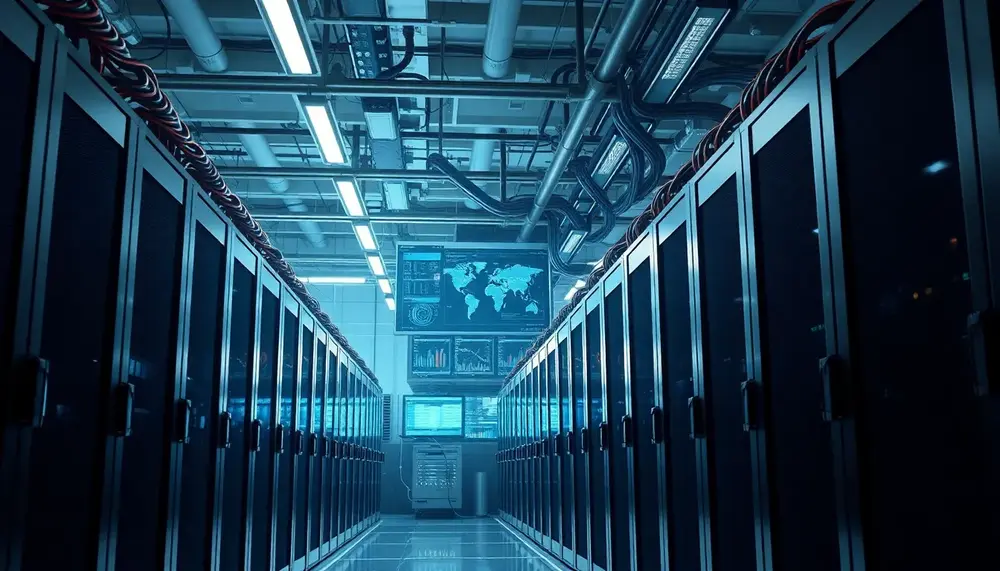
Bitcoin miners are significantly investing in AI infrastructure, with TeraWulf, IREN, and Hut 8 showing notable stock increases. TeraWulf's stock rose by 12.8% after signing a 20-year lease agreement with Anthropic for a data center in Kentucky, which is expected to generate approximately $19 billion in revenue over the contract period.
IREN's stock increased by 8.01% following an upgrade to "Buy" by Freedom Capital Markets, highlighting the growth potential in AI infrastructure. Meanwhile, Hut 8's stock surged by 9.69% in a single session after being included in several Russell Growth and Small-Cap indices, indicating institutional investors' recognition of the shift towards AI.
Get $500 free Bitcoin mining for a free testing phase:
- Real daily rewards
- 1 full month of testing
- No strings attached
If you choose to buy after testing, you can keep your mining rewards and receive up to 20% bonus on top.
"The contract confirms the company's focus on AI infrastructure and secures long-term revenues," said CEO Paul Prager of TeraWulf.
Summary: TeraWulf, IREN, and Hut 8 are capitalizing on the AI infrastructure trend, with significant stock gains attributed to strategic partnerships and market recognition.
Challenges for Individual Bitcoin Miners by 2026
As of 2026, individual Bitcoin miners are facing significant challenges in achieving profitability due to rising operational costs and increased competition. The average cost to mine a Bitcoin is estimated at around $87,000, which is substantially higher than the current market price of approximately $62,000.
This disparity highlights a growing divide between large mining operations, which can reduce costs to between $34,000 and $43,000 per Bitcoin through advanced ASIC machines and long-term energy contracts, and individual miners who struggle with high electricity costs and outdated hardware.
- High operational costs: Electricity can account for 60-80% of total mining expenses.
- Increased competition: The Bitcoin network processes about 600 trillion hashes per second, making it nearly impossible for individual miners to find new blocks without joining mining pools.
- Technological barriers: ASIC machines dominate the market, requiring significant upfront investment and quickly becoming obsolete.
Summary: The landscape for Bitcoin mining is shifting, with individual miners increasingly unable to compete against larger operations due to high costs and technological demands.
Stock Performance of Bitcoin Mining Companies
Bitcoin mining companies have seen their stock prices outperform Bitcoin itself, with an increase of 167% since the beginning of 2025. This trend reflects a growing investor interest in the mining sector as companies pivot towards AI and cloud computing.
However, some companies, like Marathon Digital Holdings (MARA), are under pressure from short sellers, with a short interest of 30%. The stock has dropped significantly, down 27% from its peak this year and 60% from its 2025 highs, raising concerns about its future in the competitive landscape.
Summary: While Bitcoin mining stocks have generally performed well, individual companies face unique challenges, particularly those transitioning to AI-focused operations.
Sources:
- Bitcoin-Miner investieren stark in KI-Infrastruktur: TeraWulf, IREN und Hut 8 legen deutlich zu
- LM Funding America, Inc. meldet ungeprüftes Bitcoin-Mining-Update für den Monat zum 30. Juni 2026
- Bitcoin-Mining im Jahr 2026: Warum werden einzelnen Minern die Möglichkeiten ausgehen, reich zu werden?
- Die Aktienkurse von Bitcoin-Mining-Unternehmen übertreffen Bitcoin und sind seit Anfang 2025 um 167 % gestiegen.
- MARA-Aktie unter Druck: Leerverkäufer nehmen die KI-Ambitionen des Bitcoin-Miners ins Visier