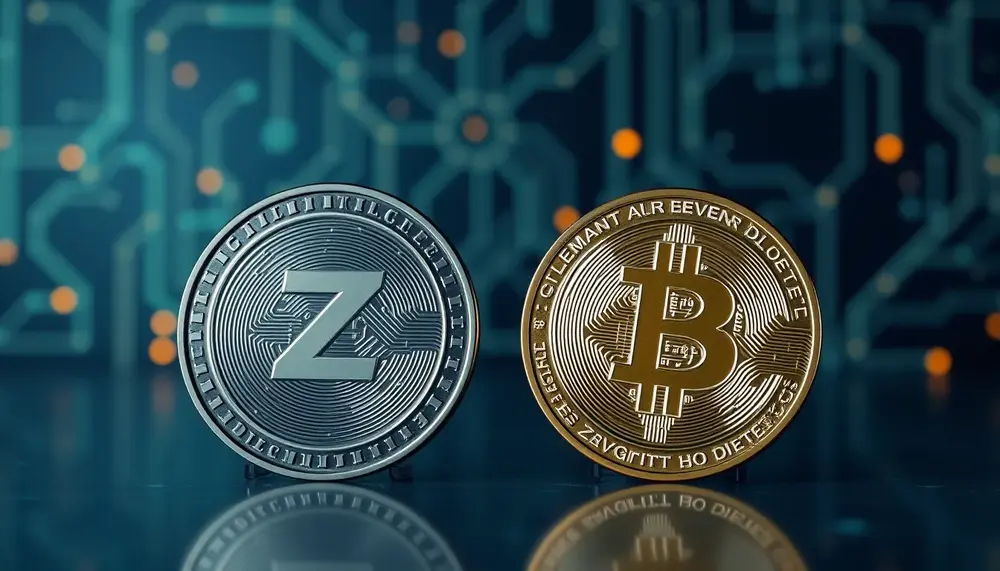
Zcash Considers Itself Safer from Quantum Computers than Bitcoin
Zcash (ZEC) has positioned itself as a more secure option against the threat of quantum computers compared to Bitcoin and Ethereum. As quantum computing is expected to become a significant issue for the crypto community by 2025, Zcash developers assert that they have been preparing for a "quantum computer apocalypse" for over a decade. Sean Bowe, a developer at Zcash, emphasizes that the cryptocurrency has already implemented countermeasures in its code to address potential risks posed by quantum technology.
Technologically, Zcash is closely related to Bitcoin, sharing fundamental principles such as the Proof-of-Work protocol, a halving event every four years, and a maximum supply of 21 million coins. However, Bowe points out that Zcash's ecosystem is well-connected, which facilitates the implementation of countermeasures against quantum threats. In contrast, Bitcoin may require unprecedented upgrades to safeguard against quantum computing, and a clear plan for these upgrades is still lacking.
Get $500 free Bitcoin mining for a free testing phase:
- Real daily rewards
- 1 full month of testing
- No strings attached
If you choose to buy after testing, you can keep your mining rewards and receive up to 20% bonus on top.
"Bitcoin Maxis are closely studying Zcash's privacy solutions and its precautions against quantum computers," said Jan van Eck, CEO of VanEck, highlighting the urgency of the situation.
In summary, Zcash is leveraging the advancements in quantum computing to promote itself as a superior alternative to Bitcoin, which still has time to implement necessary defenses. The rapid development of quantum technology is no longer a theoretical concern but requires immediate attention from the crypto community.
Key Takeaways:
- Zcash claims to be better prepared for quantum threats than Bitcoin.
- Developers have implemented countermeasures in Zcash's code for over a decade.
- Bitcoin may face significant challenges in upgrading its security against quantum computing.
Sources: